
How Autonomous Security Robots Are Changing Public Safety
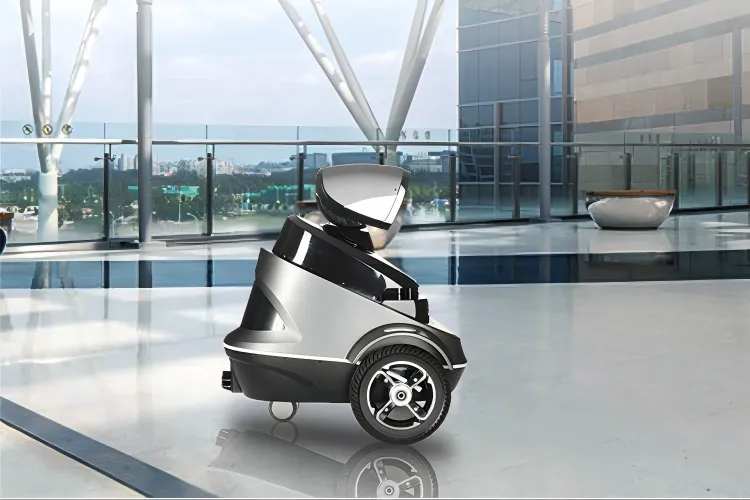
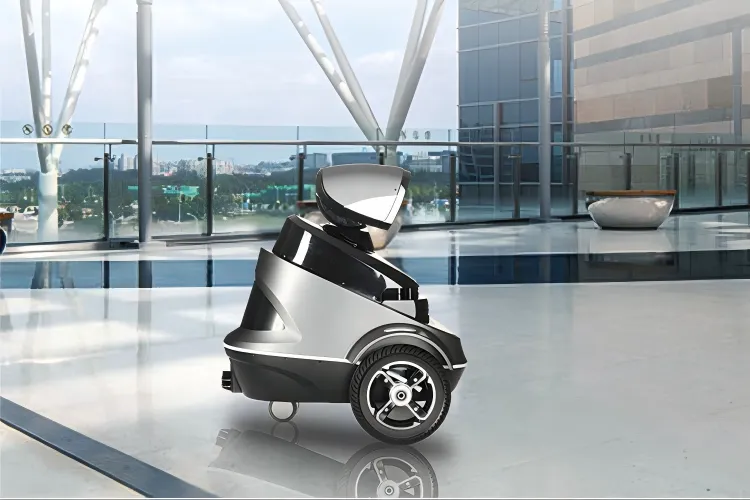
Autonomous Security Robots: A Smarter Way to Protect People and Property
Security challenges are changing fast. Rising labor costs, larger facilities, and higher safety expectations are pushing businesses to look for better solutions.
One technology gaining real traction is autonomous security robots. Instead of relying only on human guards, companies are now combining manpower with intelligent machines that can patrol, monitor, and respond in real time.
This isn’t a futuristic idea anymore — it’s already being used in warehouses, factories, and public spaces around the world.
What Are Autonomous Security Robots?
Autonomous security robots are mobile machines designed to handle routine security tasks without direct human control.
Powered by AI, cameras, and multiple sensors, these robots can:
Patrol large areas automatically
Detect unusual behavior or intrusions
Capture and stream live video
Send real-time alerts to security teams
👉 You can also explore how similar technology is used in warehouse automation systems.
How Do Security Robots Work?
At the core of most security patrol robots is SLAM (Simultaneous Localization and Mapping). This allows the robot to understand its environment and navigate safely without human input.
To operate reliably in different environments, robots are usually equipped with:
360° cameras
LiDAR or radar
GPS positioning
Thermal imaging
Most systems are connected to a cloud platform, allowing real-time monitoring and alerts.
Where Are Autonomous Security Robots Used?
Warehouses & Logistics – large-area patrol
Factories – safety monitoring
Airports – crowd observation
Shopping malls – entrance & parking patrol
Hospitals & campuses – non-intrusive security
They are often deployed alongside AMR solutions for full automation coverage.
Key Benefits of Security Patrol Robots
1. 24/7 Operation
No fatigue, no downtime.
2. Faster Detection
AI helps identify risks early.
3. Lower Costs
Reduce reliance on large security teams.
4. Real-Time Monitoring
Instant alerts and live video.
5. Data Collection
Better long-term decision making.
Security Robot vs Traditional Security
| Feature | Autonomous Security Robot | Human Guards |
|---|---|---|
| Working Hours | 24/7 continuous operation | Shift-based |
| Coverage Area | Large-scale patrol | Limited range |
| Cost | Lower long-term cost | High recurring cost |
| Accuracy | AI-based detection | Human dependent |
| Data | Continuous collection | Manual reporting |
| Fatigue | None | Yes |
Challenges You Should Consider
Privacy concerns
Weather limitations
Cybersecurity risks
Initial investment
Looking to Deploy Security Robots?
👉 Talk to our team for a customized solution.
Frequently Asked Questions (FAQ)
Are autonomous security robots safe?
Yes, they are equipped with sensors and obstacle avoidance systems.
Can they replace human guards?
No, they assist rather than replace human teams.
Do they work at night?
Yes, with thermal cameras and night vision.
What ROI can I expect?
Most businesses see ROI within 6–18 months.
Conclusion
Autonomous security robots are becoming a practical tool for modern safety management. They help reduce risk, improve efficiency, and provide continuous protection.