
How to choose a high-performance intelligent unmanned forklift Introduction
In today’s logistics and warehousing industry, speed and efficiency have become the core of competition. As labor costs rise and order volumes grow, many companies are using high-performance unmanned forklifts.
People also know these as Automated Guided Forklifts (AGF). They help improve operations. These devices can work around the clock, reduce human errors, and significantly improve overall warehouse performance.
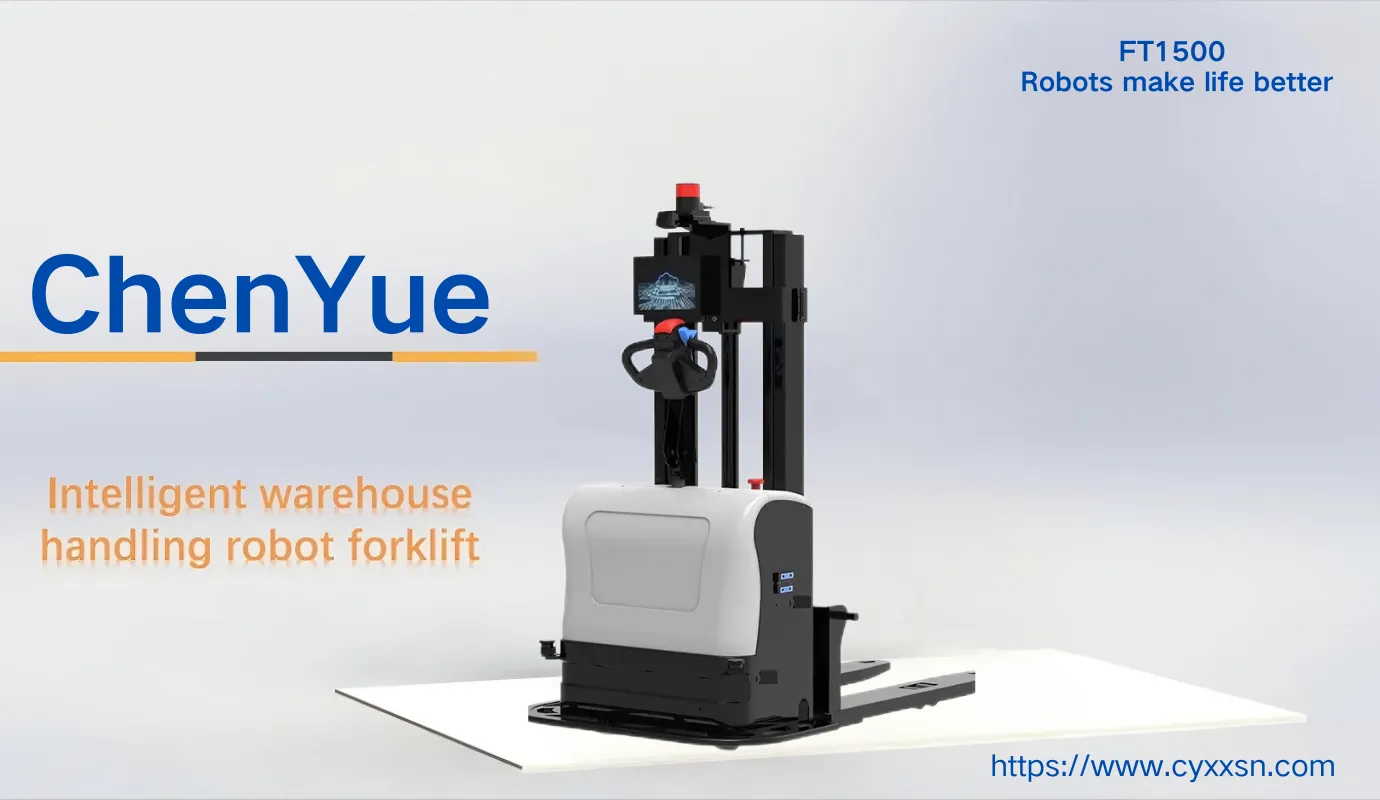
What Is a High-Performance Intelligent Unmanned Forklift?
A high-performance smart unmanned forklift is an advanced logistics tool. It uses self-driving technology, sensor systems, smart path planning, and warehouse management systems (WMS). It can move materials, stack them, and load or unload without a human driver. It uses LiDAR, cameras, and SLAM technology for accurate navigation.
Compared with traditional forklifts, its features include:
· High level of automation: Operates 24/7 without human supervision.
· Precise navigation: Laser + vision positioning with millimeter-level accuracy.
· Safety protection: Intelligent obstacle avoidance reduces collision risks.
· Strong scalability: Seamless integration with other automated equipment and systems.
The Significance of High-Performance Intelligent Unmanned Forklifts
In warehousing and logistics, introducing high-performance intelligent unmanned forklifts offers multiple benefits:
· Lower operating costs: Reduce labor requirements and training expenses.
· Improved efficiency: Automated route planning shortens handling time.
· Enhanced safety: Minimize damage to goods and injury risks caused by human error.
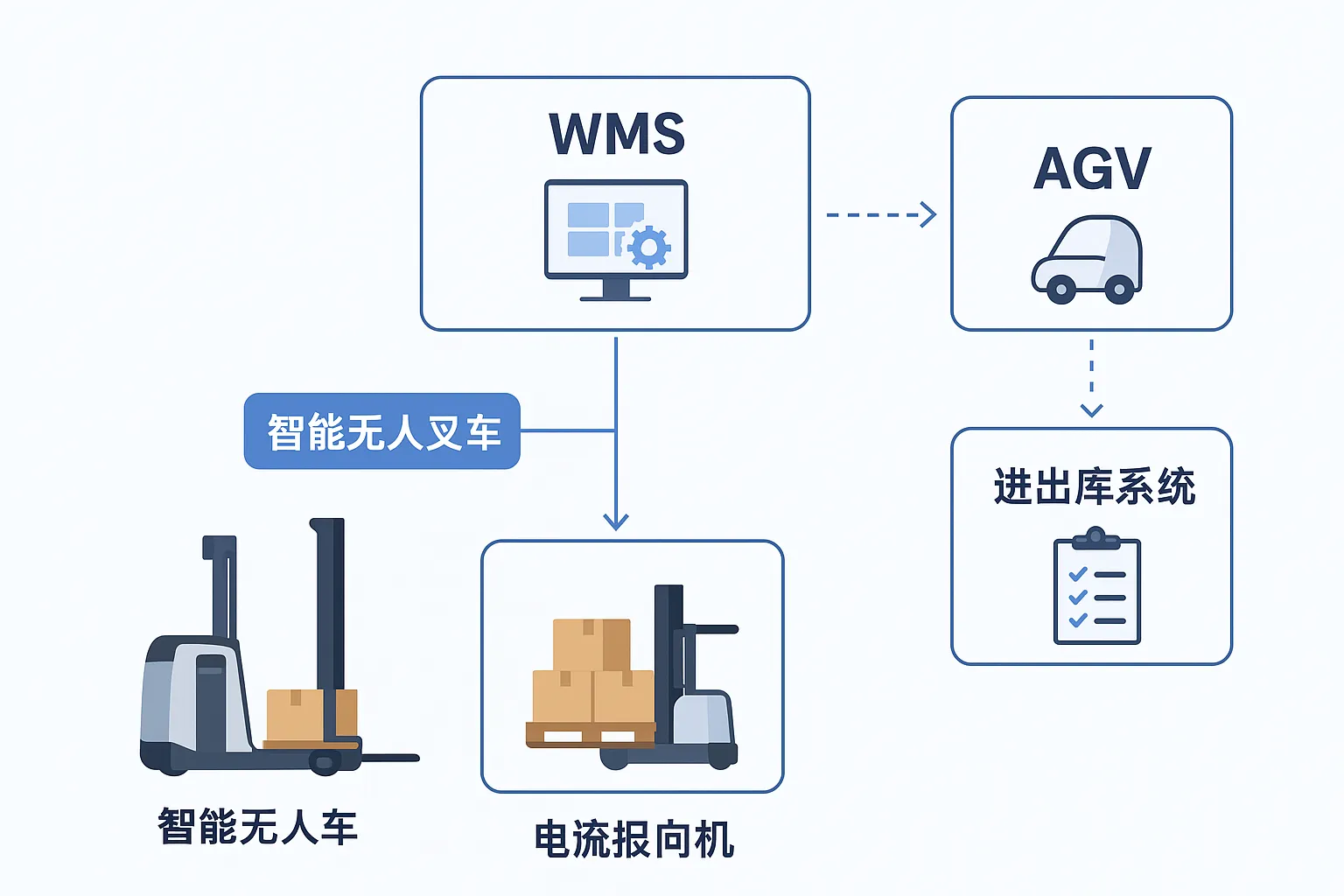
· Data-driven management: Integrates with WMS/ERP systems to provide real-time inventory and operational analytics.
Buying Guide
1. Identify Your Needs and Expectations
· Type and weight of goods: Determine the load range (e.g., 300kg–2000kg).
· Operating environment: Aisle width, floor conditions, temperature, and humidity can affect selection.
· Work mode: Whether to operate in hybrid mode with humans or with multiple devices working collaboratively.
2. Evaluate Different Brands and Models
· Navigation technology: Accuracy and stability of laser, vision, or magnetic navigation.
· Battery and endurance: Lithium battery runtime, charging speed, and support for automatic charging.
· Software compatibility: Integration with existing WMS and ERP systems.
· After-sales service: Availability of fast technical support and spare parts supply.
The Impact of Logistics Automation
How Robotics Automation Improves Warehouse Efficiency
Using unmanned forklifts can greatly reduce the time it takes to move goods to storage and shipping. This also reduces idle time and boosts equipment use.
Integration with Warehouse Management Systems
When unmanned forklifts work closely with WMS, they can assign tasks automatically. They can also plan routes dynamically and update inventory in real time. This gives managers complete visibility of warehouse operations.
Autonomous Driving Technology
LiDAR and AI-based self-driving systems can adjust to complex and changing environments. They ensure safe operation, even when sharing space with manual forklifts or pedestrians.
Integration with Automatic Palletizers and Stackers
Unmanned forklifts can work with automatic palletizing machines and stackers. They can create a fully automated handling system. This system handles everything from receiving to storage to shipping, all without human help.
Market Trends in All-Electric Unmanned Forklifts
More companies are choosing all-electric, low-noise, and zero-emission unmanned forklifts. These forklifts help meet carbon neutrality goals. They also lower long-term energy costs.
Conclusion: The Future of Choosing High-Performance Intelligent Unmanned Forklifts
In the future, as AI, 5G, and IoT keep developing, smart unmanned forklifts will become even better. They will be more flexible and will fit easily into the smart warehousing system. Companies should focus on technological maturity, scalability, and service capabilities when purchasing, ensuring that the equipment meets current needs and supports future business upgrades.
With careful selection and proper use, smart unmanned forklifts will boost efficiency, cut costs, and improve competitiveness in warehouses.