
Chassis upgrade strategies to improve robot performance
Robots are becoming increasingly advanced and flexible. Their performance depends largely on the design and quality of their chassis. A well-made chassis can significantly enhance a robot's capabilities.
Upgrading a robot's chassis can improve speed, agility, and payload capacity. Robot upgrades are crucial in harsh environments.The right materials combine strength and efficiency.
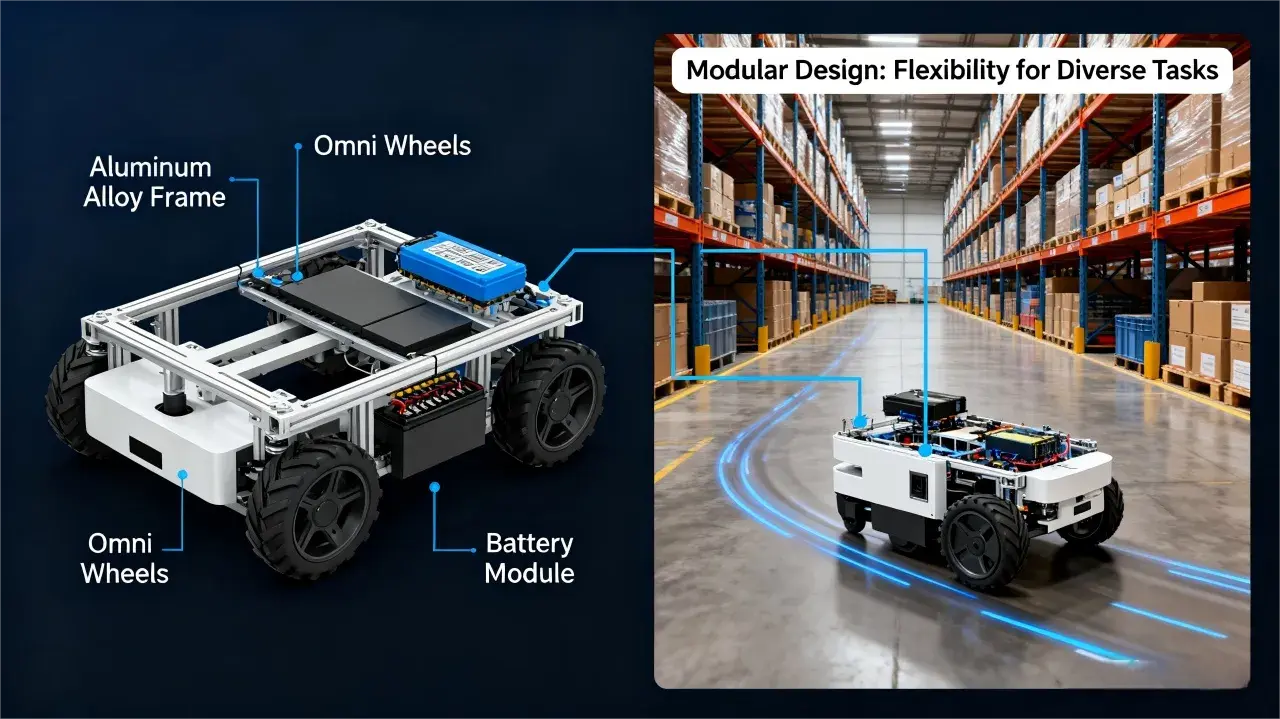
Modular designs make upgrades and maintenance easier. This flexibility is crucial for robots that perform diverse tasks.
Understanding the robot's specific needs helps ensure chassis upgrades are tailored to its intended use and maximize performance.

The importance of the robot chassis in performance
The chassis is the backbone of any robot. It determines how a robot moves, stabilizes, and performs its tasks. A robust chassis can support more complex functionalities, ensuring that the robot operates smoothly under various conditions.
An effective chassis impacts several performance aspects. These include the robot’s speed, stability, and load-bearing capacity. If the chassis is well-designed, the robot can handle increased weights while maintaining efficiency.
Several factors contribute to the chassis's effectiveness:
l Structural stability
l Material strength
l Design adaptability
Improving these components directly benefits the robot's overall performance.
A poorly constructed chassis can limit a robot’s capabilities and lead to inefficiencies, so investing in a high-quality chassis is crucial to achieving optimal robot performance.
Key factors to consider before a robot chassis upgrade
Before delving into chassis upgrades, several key factors must be considered: the robot's intended use, operating environment, and performance goals.
Before upgrading, consider the following:
· Expected terrain challenges
· Desired performance improvement
· Budgetary constraints
Furthermore, it's crucial to weigh costs against expected benefits.
Balancing these factors ensures that the upgrade meets performance needs and financial constraints, maximizing the robot's capabilities.
Material selection for enhanced robot chassis
Choosing the right robot chassis material impacts weight, durability, and the robot's overall efficiency. Lightweight yet strong materials are generally preferred for optimal performance.
Materials such as aluminum and carbon fiber are common choices.These materials offer a good balance between weight and strength, resulting in improved speed and battery life.
When selecting a material, consider the following options:
· Aluminum alloy for lightweight and durability
· Carbon fiber for superior strength
· Steel for heavy-duty applications
Modular and customizable chassis designs
Modular chassis designs offer flexibility for robot applications. They allow easy upgrades and adaptation to various tasks. This adaptability makes maintenance more straightforward and cost-effective.
Customizable designs ensure that the chassis fits specific needs. Whether adding sensors or new components, a tailored design enhances performance. This customization enables robots to perform complex tasks efficiently.
Benefits of modular and customizable chassis designs include:
· Easy integration of new components
· Simplified maintenance and repairs
· Enhanced adaptability for different tasks
Wheel, track, and suspension upgrades for better mobility
Upgrading wheels and tracks enhances robot maneuverability on diverse terrains. Different configurations suit varied environments, from smooth surfaces to rough terrains.
Suspension systems play a critical role in handling uneven ground. They provide stability by absorbing shocks and maintaining contact with the terrain.
Consider the following points for mobility improvements:
· Wheel types: omni, all-terrain, or skid steer
· Track systems for enhanced traction
· Suspension adjustments for shock absorption
Integrating advanced technologies in chassis upgrades
Advanced technologies like 3D printing revolutionize chassis customization. This approach allows rapid prototyping and bespoke designs tailored to specific needs.
Cuttingedge sensors and components integration refines robot capabilities. Incorporating these elements into the chassis enhances system awareness and precision. This leads to smarter and more efficient robots.
Consider leveraging the following technologies:
· 3D printing for bespoke and complex designs
· Smart sensors for real-time data and feedback
· Advanced materials for strength and lightweight solutions
These technologies not only streamline the upgrade process but also enhance robot functionality. Embracing innovation in chassis design ensures robots stay ahead of operational challenges. As technology evolves, so do the opportunities for enhancing robot performance.
Balancing cost and performance in chassis upgrades
Finding the right balance between cost and performance is vital. A high-performance chassis isn't always the most expensive option. Consider the specific needs and budget constraints of your project.
To effectively balance costs, focus on:
· Prioritizing critical features for your application
· Exploring cost-effective materials
· Evaluating long-term benefits versus initial expenses
Optimizing investments ensures you achieve the desired performance without overspending. Thoughtful planning helps maximize the value of your chassis upgrade.
Case studies: Successful robot chassis upgrades
Examining successful chassis upgrades provides valuable insights. Real-world examples showcase how targeted improvements enhance robot capabilities. These cases demonstrate the tangible benefits of thoughtful design.
Consider these notable case studies:
· A drone with a carbon fiber chassis for improved flight time
· A warehouse robot with a modular design for task versatility
· An agricultural robot with enhanced suspension for rugged terrain
Analyzing these cases helps identify effective strategies and innovative solutions. These examples illustrate practical applications of chassis upgrades, inspiring future projects.
Maintenance and software considerations after upgrading
Postupgrade maintenance is vital. Regular inspections ensure the chassis remains in optimal condition. Address any signs of wear promptly.
Software upgrades are equally important for new hardware. Updated control systems can fully leverage the improved chassis.
Consider these maintenance and software tips:
· Schedule periodic chassis inspections.
· Update software to optimize new hardware.
· Monitor for performance changes after upgrades.
Maintaining a balance between mechanical and digital enhancements maximizes robot performance over time. Proper upkeep ensures consistent efficiency and reliability following a chassis upgrade.
Conclusion:
Choosing the right chassis upgrade strategy Assess your robots specific needs and intended applications. Each component from material to design should align with these goals. A well-planned upgrade can drastically enhance performance. Balance is keyconsider cost against the potential benefits. An informed strategy ensures that the robot operates optimally, extending its capabilities and lifespan.