Why December Poses a Unique Challenge for Warehouses
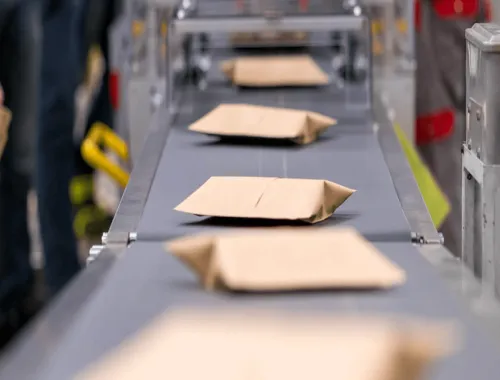
Every December, global logistics networks experience their highest pressure points. Holiday promotions, surging e-commerce traffic, and year-end inventory targets push warehouses to their limits. In this critical period, even minor inefficiencies—like misplaced pallets, slow picking routes, or manual scanning errors—can create significant bottlenecks.
Traditional labor-based operations often struggle to scale effectively. Temporary workers, while helpful, may lack the required training for accuracy during peak periods. This is why automated warehouse technologies are increasingly transitioning from optional upgrades to operational necessities.
Robotic Systems That Make a Measurable Difference
1. Autonomous Mobile Robots (AMR)
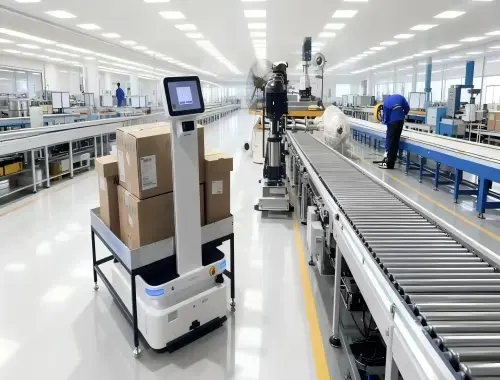
AMRs navigate dynamically through changing warehouse environments and automatically reroute when aisles become congested. During last December’s peak, a Southeast Asian logistics provider reported a 35% increase in order fulfillment speed after deploying CYXXSN AMRs across multiple picking zones.
2. Automated Guided Vehicles (AGV)
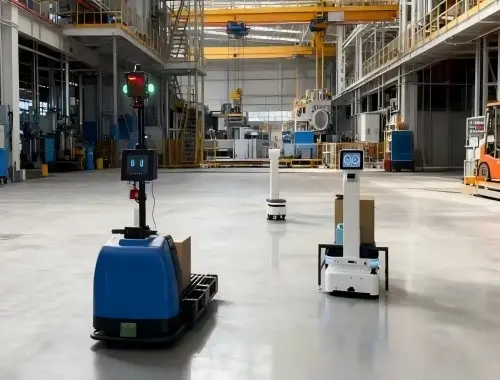
AGVs provide high-frequency, fixed-path pallet movement. They stabilize workload during peak weeks, particularly in warehouses with long inbound-to-outbound transport paths. CYXXSN AGV systems ensure consistent throughput and reduce manual handling errors.
3. Smart Forklifts
Smart forklifts combine automated lifting, precise positioning, and real-time sensor guidance. These technologies reduce accident rates and minimize pallet damage. Facilities with narrow aisles report significantly fewer disruptions after implementing CYXXSN intelligent forklift models.
Case Insight: Stable Output Without Expanding Labor
A leading FMCG client shared that despite a strong double-digit rise in December order volume, their labor costs remained unchanged. Instead of hiring temporary workers, they expanded their warehouse robot fleet. Staff shifted focus to supervisory and quality-check roles, while robots efficiently managed repetitive transport and scanning tasks.
Preparing for the Post-December Optimization Cycle
After peak season, the analysis of operational data becomes crucial for continuous improvement. CYXXSN clients often evaluate:
Robot task distribution efficiency
Pick-path optimization
Inventory turnover speed
AMR and AGV utilization rates
Human–robot collaboration workflows
These insights allow businesses to refine their robotic deployment strategies and prepare for future high-demand cycles.
Further Reading
Frequently Asked Questions
1. What are the benefits of using warehouse robots during peak seasons?
Robots stabilize throughput, reduce picking errors, and maintain consistent workflow during high-volume periods when manual labor alone cannot scale effectively.
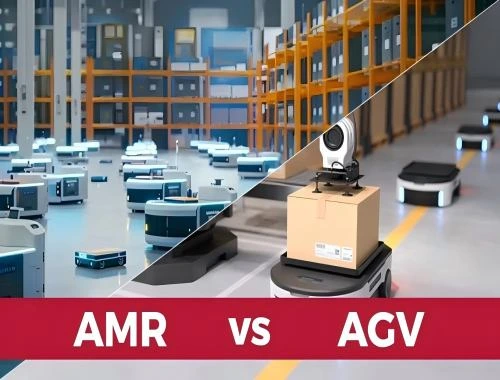
2. How do AMRs and AGVs differ in warehouse operations?
AMRs navigate dynamically and adapt to real-time changes, making them ideal for picking and flexible tasks. AGVs follow predefined routes and excel at repetitive pallet transport.
3. Can smart forklifts replace traditional forklifts during December peaks?
Smart forklifts significantly reduce pallet damage and safety risks. Many warehouses operate hybrid fleets, using smart forklifts for narrow aisles or automated tasks.
4. How long does it take to deploy CYXXSN warehouse robots?
Most AMR and AGV deployments can be completed within days to weeks, depending on warehouse mapping requirements and workflow customization.