Rising warehouse operating costs are a growing challenge for businesses. Autonomous Mobile Robots (AMRs) provide a new solution for warehouse automation, but the real value lies in improving fleet utilization. Efficient scheduling, path optimization, and intelligent task management allow companies to reduce idle time, lower costs, and enhance throughput.
What Is Fleet Utilization?
Fleet utilization refers to the percentage of time that AMRs spend on active tasks compared to their total available time. High utilization means fewer idle robots, greater productivity, and better ROI from warehouse automation investments.
Key Methods to Improve Fleet Utilization
1. Intelligent Scheduling Systems
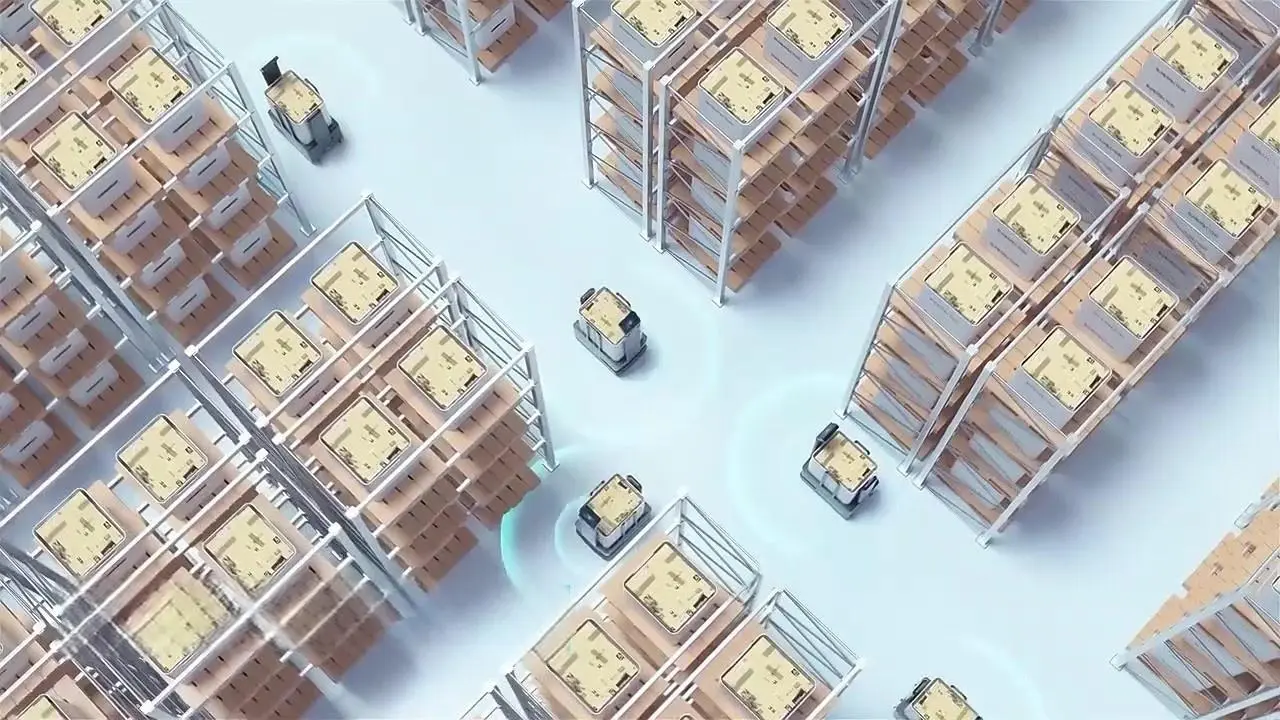
AI-powered scheduling automatically assigns tasks to the most suitable robot based on location, battery level, and task priority. This ensures balanced workloads and minimizes idle time.
2. Path Optimization
Optimized routing reduces traffic conflicts and congestion, allowing AMRs to complete more tasks in less time and improve overall efficiency.
3. Task Batching and Layered Scheduling
Grouping nearby tasks together for a single AMR and using layered scheduling (such as picking, replenishment, and transport) reduces empty runs and increases efficiency.
4. Battery and Maintenance Management
Implementing proper charging strategies and regular maintenance minimizes downtime caused by low battery or failures, improving overall fleet availability.
Cost Benefits of Higher Fleet Utilization
Reduced labor costs: AMRs handle more repetitive tasks, decreasing reliance on temporary staff and overtime.
Lower equipment investment: Higher utilization means fewer robots are needed to complete the same workload.
Increased warehouse throughput: Faster task execution shortens fulfillment cycles and boosts customer satisfaction.
Reduced energy and maintenance expenses: Efficient usage lowers power consumption and repair costs.
Real-World Application Example
An e-commerce warehouse initially saw only 45% fleet utilization, leading to low ROI. After implementing intelligent scheduling and path optimization, utilization rose to 75%. The results included:
Handling efficiency increased by 40%
Annual labor costs reduced by 30%
Robot procurement demand decreased by 20%
Conclusion
The true value of AMRs lies in cost optimization through higher fleet utilization. Companies that focus on intelligent scheduling, route planning, and maintenance strategies can reduce operating costs and enhance competitiveness. In the future of smart warehousing, fleet utilization will be a key performance metric, making it more strategic to improve utilization rather than simply increasing the number of robots.