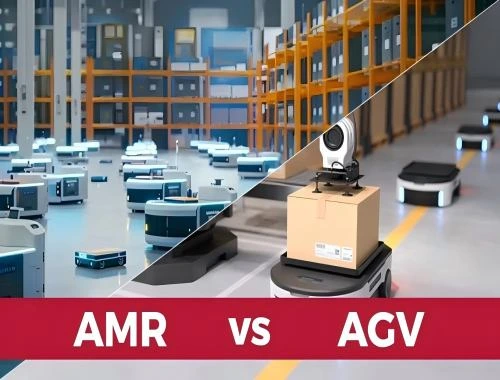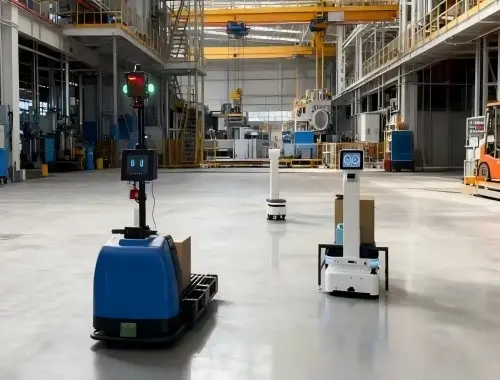
Designing the chassis is one of the most critical steps in building a robot. Whether it’s wheel-based, track-based, or leg-based, each design comes with unique strengths. The chassis acts as the robot’s skeleton—supporting all components and enabling functionality. Choosing the right design depends largely on the robot’s intended use and operating environment.
Material selection is just as important, as it directly affects the robot’s weight, durability, and cost. A well-engineered chassis can significantly improve performance, efficiency, stability, and maneuverability.
Understanding the Role of a Robot Chassis
The chassis is the core structure of a robot, carrying and integrating all critical components such as motors, sensors, and control systems.
A well-designed chassis ensures stability and balance, protects sensitive parts, and provides a secure framework for system installation. Its key roles include:
l Providing structural support
l Protecting internal components
l Assisting with weight distribution
l Ensuring balance and stability
The robot’s working environment—indoor or outdoor—will heavily influence design requirements, such as materials and structural features. By understanding these basic functions, engineers can make informed decisions that lead to stronger, more efficient robotic platforms.
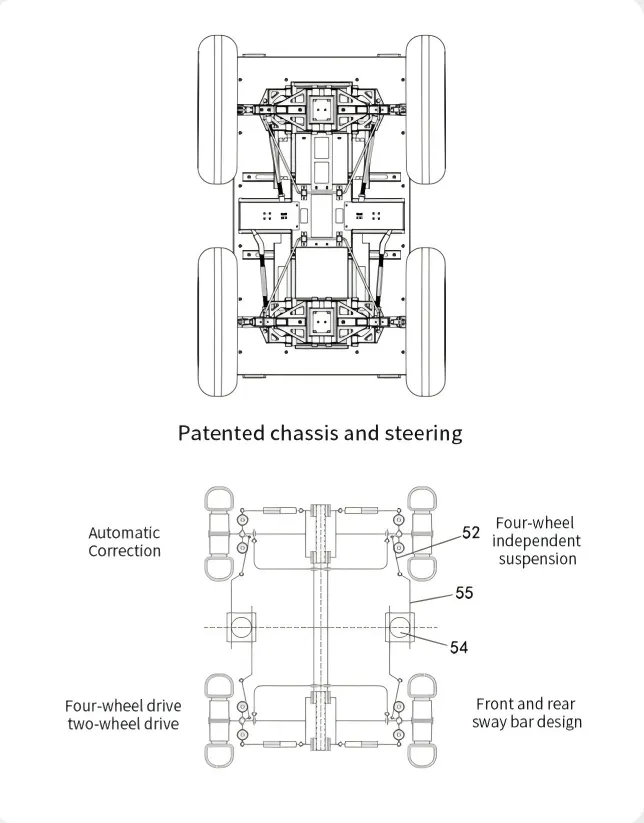
https://www.cyxxsn.com/product/robotic-chassis/outdoor-four-wheel-drive-mobile-chassis-lz500/
Defining the Robot’s Purpose and Requirements
Before diving into design, it’s essential to clarify the robot’s purpose. The robot’s mission drives all engineering decisions.
Consider:
l Will it operate indoors, outdoors, or both?
l What specific tasks must it perform?
l What load capacity is required?
These answers will define key design standards such as strength, flexibility, and weight. The clearer the requirements, the more tailored and effective the chassis design will be.
Exploring Different Types of Robot Chassis
Robots can be built on different chassis types, each suited for specific applications:
l Wheel-based chassis: The most common, with simple structure and high efficiency on smooth surfaces. Ideal for indoor robots, offering speed and maneuverability.
l Track-based chassis: Excellent for rough terrain, with better stability and traction. Commonly used outdoors in complex environments.
l Leg-based chassis: Mimics biological walking. Highly adaptable and maneuverable, suitable for robots that require advanced navigation in uneven environments.
Each type comes with trade-offs in mobility, energy efficiency, and complexity. Matching the right chassis to the use case is crucial for success.
Choosing Materials for the Chassis
Material selection impacts weight, durability, cost, and shock resistance. Common options include:
l Aluminum alloys: Lightweight and strong, offering a great balance of performance and cost.
l Steel: Heavy but extremely durable, ideal for heavy-duty applications.
l Plastics: Lightweight and inexpensive, good for prototypes or light-duty indoor robots.
l Composites (e.g., carbon fiber): Lightweight and very strong but costly.
Factors like environment, load, and budget should guide material choice to achieve the right balance between performance and cost.
Key Engineering Considerations
A well-designed chassis balances strength, weight, and flexibility. Engineers should evaluate:
l Operating environment: Indoor vs. outdoor, terrain, and weather conditions.
l Component protection: Shock and vibration shielding for sensors and electronics.
l Energy efficiency: Lightweight designs reduce power consumption without sacrificing durability.
l Suspension systems: Improve adaptability on uneven terrain.
Layout Planning: Arranging Components
Component placement is critical for performance and balance. Effective planning involves:
l Identifying core components (motors, sensors, power, control systems).
l Ensuring easy access and simple wiring.
l Balancing weight distribution, keeping heavy parts near the center of gravity.
l Allowing space for future upgrades.
A clean and thoughtful layout supports smooth, stable operation.
Custom vs. Off-the-Shelf Chassis
l Custom chassis: Tailored to exact needs, with optimized performance, but requires higher cost and longer development time.
l Off-the-shelf chassis: Cost-effective and faster to implement but may not meet all specialized requirements.
The decision depends on factors like customization needs, budget, time constraints, and performance requirements.
Prototyping, Testing, and Iteration
l Prototype: Build a simplified version to test functionality.
l Testing: Evaluate performance in various conditions to identify weaknesses.
l Iteration: Refine the design based on testing feedback until it meets requirements.
l This cycle ensures a robust and reliable final design.
Advanced Technologies and Future Trends
Robot chassis engineering continues to evolve, driven by emerging technologies:
l 3D printing: Enables fast, low-cost prototyping.
l CAD simulation: Provides digital testing before physical production.
l Smart materials: Adapt to environmental changes for better performance.
l Modular systems: Make upgrades and customization easier.
These trends promise more advanced and adaptable robotic platforms in the near future.
Conclusion: Making the Right Choice for Your Robot
The right chassis design requires balancing function, environment, materials, and engineering needs. Whether custom-built or off-the-shelf, the chassis should align with project goals and constraints.
By investing time and thought into design from the beginning, you can create a robotic platform that is efficient, durable, and future-ready.
Learn more: https://www.cyxxsn.com/product/robotic-chassis/outdoor-four-wheel-drive-mobile-chassis-lz500/