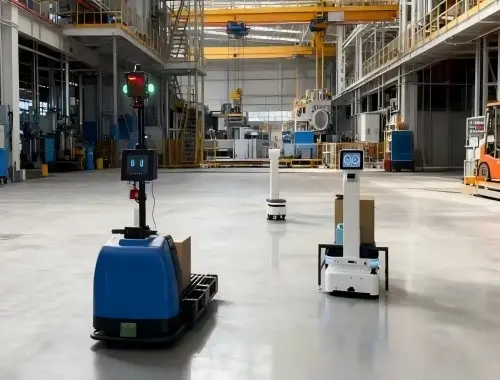
With public health awareness on the rise, autonomous disinfection robots are becoming a critical tool in hospitals, airports, schools, and commercial spaces. By providing fast, precise, and contactless cleaning, these robots create safer environments and reinforce epidemic prevention strategies. Hospitals deploying these robots have reported up to a 60% reduction in manual cleaning time.
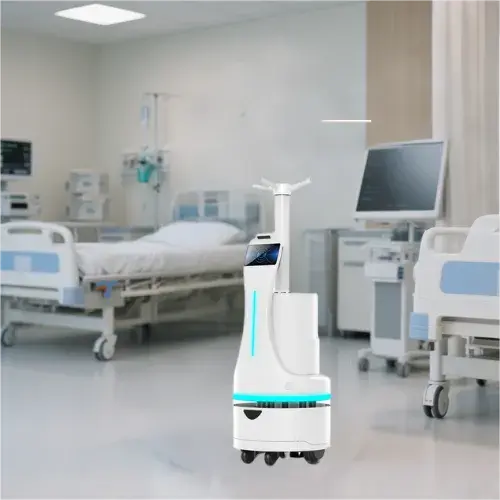
Healthcare: Safer Sterile Environments
In hospitals, disinfection robots use ultraviolet (UV) light or hydrogen peroxide mist to sanitize operating rooms and patient wards. With autonomous navigation and obstacle detection, robots can clean up to 2,000 m² per hour. St. Mary’s Hospital in Shanghai observed a 40% decrease in cross-infection rates after integrating robots. CDC infection control guidelines endorse automated cleaning solutions as effective for infection prevention.
Transportation: Protecting Travelers
Airports, train stations, and bus terminals are high-traffic areas where pathogens spread easily. Robots follow programmed routes to disinfect handrails, seating areas, and floors. For example, Beijing Capital International Airport deployed UV robots overnight to sanitize terminals, minimizing disruption and enhancing passenger safety.
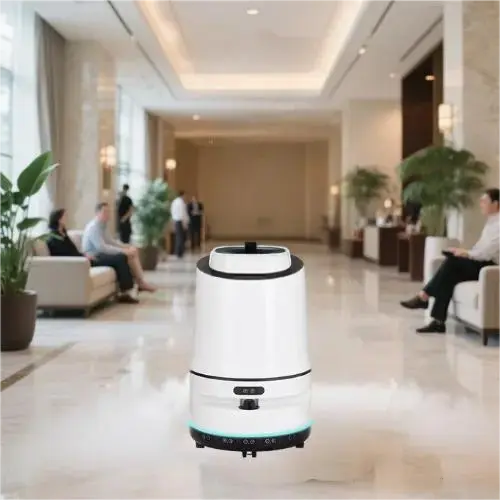
Commercial Spaces: Cleaner Facilities, Better Experiences
Malls, hotels, and restaurants are adopting smart disinfection robots to maintain hygiene. Robots operate after hours, cleaning elevator buttons, door handles, and floors. A hotel chain in Dubai reported improved guest satisfaction scores after deploying robots in 20 locations. Learn more about our solutions on our product page.
Schools: Promoting Healthy Learning
Robots help schools maintain classrooms, cafeterias, libraries, and dormitories. Using spray mist or UV light, they operate autonomously, reducing germ spread. A pilot program in a New Delhi school showed a 35% drop in student absenteeism after weekly robot disinfection routines.
Emerging Technology Trends
Next-generation robots integrate AI and data analytics for smarter sanitation. Key innovations include:
AI-based pathogen detection and classification
Remote monitoring and control in real time
Data-driven schedule optimization for full coverage
These technologies are increasingly applied in food processing, pharmaceuticals, and animal farming, where hygiene is critical. Refer to WHO cleaning and disinfection guidelines for detailed industry standards.
Conclusion
Disinfection robots are now an integral part of smart, health-conscious cities. Combining automation, AI, and reliable sanitation practices, they deliver efficient solutions across healthcare, transportation, education, and commercial sectors. As technology advances, these robots will continue to support more industries, ushering in a new era of intelligent hygiene. For more insights and case studies, visit our company blog.