In today’s fast-evolving tech landscape, service robots are becoming a regular part of daily life. With strong market potential, the industry is expected to grow rapidly in the coming years. This article explores key opportunities in healthcare, food & retail, and logistics.
1. Healthcare: Improving Efficiency and Care
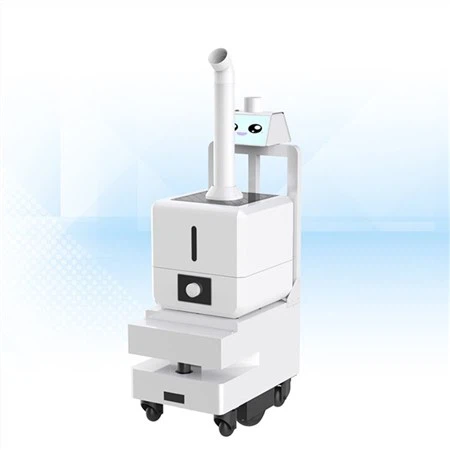
Service robots are playing a growing role in healthcare. They assist in surgeries, deliver medicine, and help with patient recovery. For example, disinfection robots can clean hospital rooms quickly and reduce infection risks.
The global medical robot market is projected to reach $20 billion by 2027. These robots not only boost efficiency but also improve patient care.
2. Food & Retail: Enhancing Service, Reducing Costs
In the food and retail sectors, service robots are transforming operations. Restaurants use delivery robots to cut labor costs and speed up service. Retail stores deploy guide robots that answer questions and recommend products. Hotels now use robots to direct guests and deliver meals.
As of 2024, the global service robot market exceeded $40 billion, with food and retail taking a major share. These robots offer faster, more convenient service, attracting more customers.
3. Logistics & Home: Smarter Daily Living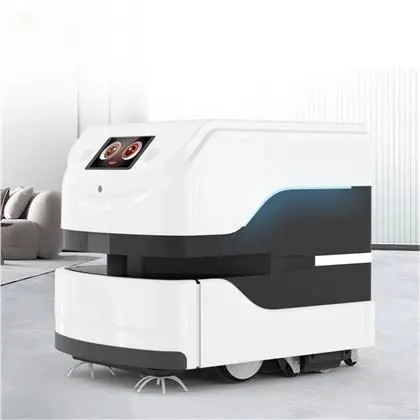
In logistics, robots streamline storage and delivery, improving efficiency and cutting costs. Companies like Amazon have widely adopted warehouse robots. At home, robots such as vacuum cleaners and security bots are gaining popularity.
Market forecasts predict household robot sales will double by 2030. As smart living becomes the norm, service robots are at the center of this shift.
Market Outlook: Great Potential with Some Challenges
The global service robot market is expected to exceed $100 billion by 2030. Advances in technology and lower costs are driving adoption. However, challenges like privacy and reliability remain. Businesses must innovate while managing these risks to lead in the robot-driven era.
Conclusion
From hospitals to homes, service robots are changing how we live and work. Their role in boosting efficiency and enhancing user experience is clear. For companies, this is a prime time to invest, innovate, and embrace the future of intelligent services.