As technology hurtles forward, the dining experience is rapidly being reimagined—and food delivery robots are at the forefront of that transformation. These autonomous, electric-powered machines are no longer a futuristic novelty; they are reshaping how restaurants operate, serve, and grow.
Defining Food Delivery Robots
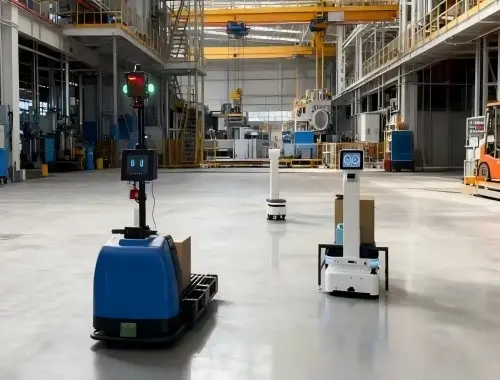
Food delivery robots are autonomous—or semi-autonomous—machines designed to transport meals. They fall into several major categories:
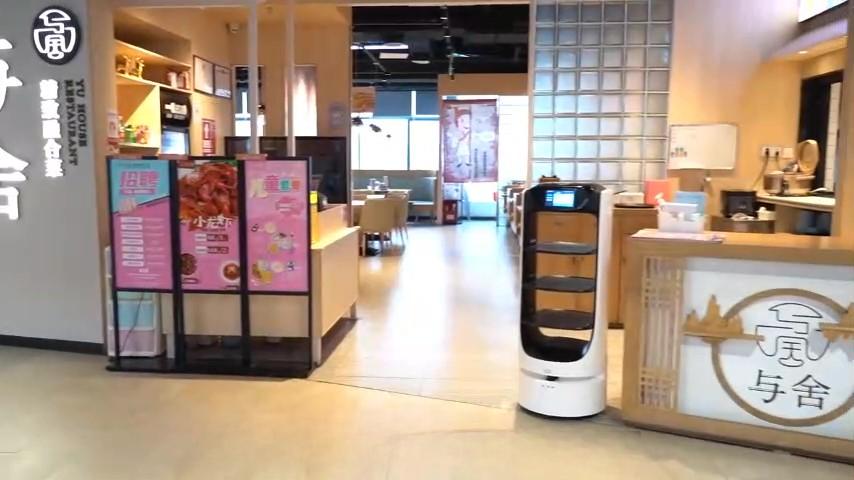
Indoor tray robots – navigate within a restaurant to bring dishes directly to tables.
Sidewalk delivery robots – travel outdoors on sidewalks to deliver food to customers.
Multi-tray or high-capacity robots – handle multiple orders simultaneously, improving delivery efficiency.
These robots leverage advanced technologies—such as LiDAR, depth cameras, and AI-powered navigation—to perceive their environment, avoid obstacles, and ensure safe, timely deliveries.
How They Work: Key Technologies
LiDAR sensors for precise mapping and real-time obstacle detection.
Depth-sensing cameras to identify curbs, pedestrians, and terrain.
AI navigation algorithms that dynamically plan and optimize routes.
Customer interaction modules, such as text or voice interfaces for pickup confirmation.
By combining these elements, delivery robots can move safely and reliably—even in crowded or complex urban environments.
Real-World Adoption & Use Cases
Fast-food chains: for low-cost, efficient delivery of standard orders.
Urban restaurants: sidewalk robots serve neighborhoods with high pedestrian density.
Event venues or large dining halls: indoor robots improve service flow and reduce labor burden.
A particularly notable development: DoorDash and Serve Robotics announced a multi‑year partnership to launch Serve’s sidewalk delivery robots in Los Angeles, with plans to scale to more U.S. cities. [source] Serve has already completed over 100,000 deliveries in cities like L.A., Miami, Chicago, and Atlanta. [source]
Benefits for Restaurants and Customers
Reduced delivery costs: Robots cut labor and fuel costs in the long term.
Lower emissions: Electric robots help restaurants deliver sustainably and reduce carbon footprint.
Consistent service: Robots don’t tire, and they operate reliably around the clock.
Improved customer experience: Robotics innovation can become a differentiator and brand-enhancing experience.
Challenges & Risks to Consider
Regulatory and legal constraints: Some cities restrict sidewalk robots or impose strict liability rules. [source]
Initial capital outlay: Hardware, software, charging stations, and maintenance can be expensive—especially for small businesses.
Technical limitations: Robots may struggle with steep curbs, uneven terrain, or harsh weather.
Public acceptance: Customers and communities may have concerns about safety, privacy, and job displacement.
The Market Trajectory & Future Trends
The food delivery robot market is expanding quickly. Serve Robotics aims to deploy up to 2,000 robots by the end of 2025. [source] DoorDash’s integration of robot delivery reflects a broader industry shift toward multimodal logistics.
Fleet scaling: More robots, more cities, and higher utilization across platforms.
AI-powered personalization: Robots may greet repeat customers by name or offer tailored suggestions.
Smart restaurant integration: Robots connected to restaurant systems to dynamically pick up, deliver, and optimize orders.
Multi-modal expansion: Sidewalk robots working in concert with drones or autonomous vehicles for hybrid delivery networks.
Conclusion
Food delivery robots are no longer a distant vision—they are actively reshaping the restaurant and delivery ecosystem. By reducing costs, lowering emissions, and elevating the customer experience, these autonomous machines are helping restaurants operate smarter and deliver faster. As adoption grows, the lines between technology and hospitality will blur, ushering in a truly smart dining era.