Future of Security Patrol Robots: Innovations & Trends

August 21, 2025

Future of Security Patrol Robots


The Future of Security Patrol Robots

Security patrol robots are transforming the landscape of security. These advanced machines are reshaping how we think about safety.

With the rise of automated security, businesses are reaping the benefits of 24/7 surveillance. This shift reduces the need for human intervention, cutting costs and minimizing risks.

Future robotics innovations promise even more sophisticated capabilities. These robots are equipped with sensors and AI, enhancing their ability to detect threats.

The integration of patrol technology is leading to more proactive security measures. This trend is evident across various sectors, from retail to public spaces.

As security trends evolve, the demand for robotic security solutions is growing. The future of security patrol robots is bright, offering a glimpse into a safer, more efficient world.


The Rise of Security Patrol Robots: A New Era in Security

Security patrol robots are at the forefront of a major transformation in the security sector. These cutting-edge machines have emerged as pivotal tools, redefining how we approach safety and surveillance.

Organizations have started integrating these robots into their security frameworks. This adoption is fueled by the increasing need for reliable and cost-effective security solutions.

Several industries are recognizing the advantages of robotic security systems. They are becoming prominent in locations where continuous, precise monitoring is essential. Key sectors include:

· Retail and shopping malls

· Manufacturing and warehouses

· Public spaces and transportation hubs

Robots, equipped with advanced patrol technology, are seen as valuable assets in these environments. Their ability to operate 24/7 provides a consistent security presence that human guards may struggle to match.

Future robotics developments promise even further enhancements in their capabilities. As these technologies become more sophisticated, the role of security patrol robots will continue to expand. These innovations point towards a future where robotic security is the norm rather than the exception.


Key Technologies Powering Security Patrol Robots

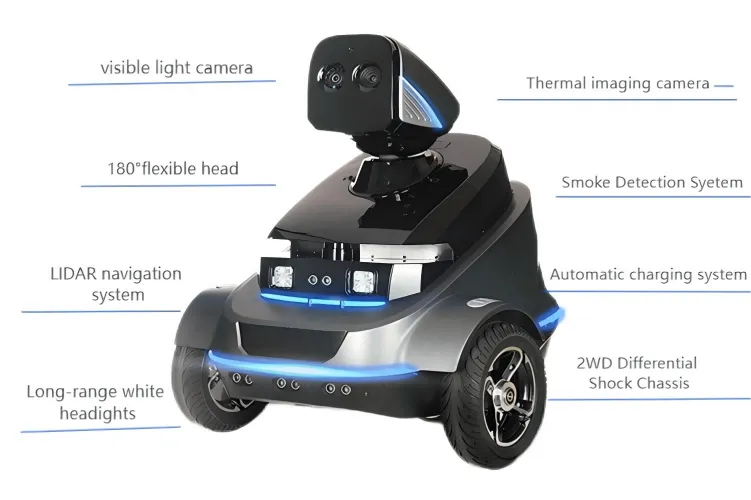
Security patrol robots are equipped with cuttingedge technologies that enhance their effectiveness. Central to their operation are sensors that offer realtime data capturing and environmental awareness. These sensors allow robots to detect motion, temperature changes, and even specific sounds, providing comprehensive situational awareness.

Another crucial component is artificial intelligence (AI). AI enables these robots to process large amounts of data swiftly, learning from patterns and making informed decisions. This capability allows them to predict and respond to potential threats more accurately, boosting their autonomy and reducing reliance on human intervention.

Machine learning algorithms help these robots adapt to new environments and improve over time. They learn from experiences, enhancing their detection capabilities and operational efficiency. 

This continuous learning process is vital for staying ahead of emerging security threats. The integration of various technologies forms the backbone of a patrol robot's functionality. Common features include:

· High-definition cameras for surveillance

· Navigation systems for autonomous movement

· Communication tools for real-time alerts

· Connectivity to existing security systems

The future of security robots is likely to include more sophisticated technologies. Innovations such as enhanced AI for facial recognition and advanced navigation systems will further empower these robots. As these technologies advance, security patrol robots will become even more integral to modern security strategies.


Security Robots vs. Traditional Security Solutions

Security robots are revolutionizing the landscape of protective measures. Unlike traditional solutions, which often rely on human guards, robots provide continuous, tireless surveillance. They excel in monitoring vast areas without fatigue, ensuring consistent security coverage around the clock.

The automated nature of robots significantly reduces the potential for human error. Traditional security methods involve risks such as attention lapses or physical limitations. Robots, however, operate with precision, maintaining high accuracy in threat detection and response. They can seamlessly integrate with existing security systems, enhancing overall effectiveness.

Choosing between robots and traditional security solutions involves understanding the key differences. Here's a comparison:

· Cost Efficiency: Reduced long-term costs with robots

· Reliability: Uninterrupted surveillance with machines

· Adaptability: Greater learning capabilities with AI

· Safety: Handling hazardous tasks safely by robots

Security robots bring several benefits over traditional methods, but they are not without challenges. Initial investments and technological limitations exist. Despite this, many organizations find the advantages of robots compelling. These machines represent a shift towards more efficient and reliable security, paving the way for the future.

 Future of Security Patrol Robots

https://www.cyxxsn.com/product/security-patrol-robot/security-patrol-robot-s2/

Core Benefits of Automated Security and Patrol Technology

Automated security and patrol robots are transforming how we protect environments. These technologies offer unparalleled advantages, making them a compelling choice for modern security needs. Their continual operation enhances safety and mitigates risks more effectively than conventional methods.

One primary benefit is the substantial reduction in labor costs. Automated systems minimize the need for human involvement, allowing organizations to allocate resources more strategically. This cost-efficiency is attractive to businesses seeking sustainable security solutions.

Patrol technology provides more than just financial savings. It enhances real-time monitoring capabilities, ensuring immediate responses to potential threats. The use of advanced sensors and AI enables these robots to detect anomalies and send alerts instantly. This proactive approach helps prevent incidents before they escalate.

Aside from operational efficiencies, automated security solutions offer improved data collection and analysis. Security robots gather extensive information, which can be used to refine security strategies. Here are the key benefits:

· 24/7 Monitoring: Non-stop vigilance

· Cost Reduction: Lower operational expenses

· Threat Detection: Immediate identification of risks

· Data Insights: Enhanced decision-making through analytics

These benefits illustrate why adopting automated security technologies is a strategic move for a forward-thinking security approach.


RealWorld Applications: Where Security Patrol Robots Are Making a Difference

Security patrol robots are carving their niche across various industries, reshaping how safety is managed. Their ability to operate in diverse environments makes them invaluable assets in both public and private sectors.

In retail, robotic security ensures loss prevention by monitoring store floors and deterring theft. Their presence is a strong preventive measure, contributing to decreased shoplifting incidents. Additionally, they enhance the overall customer experience by creating a safer shopping environment.

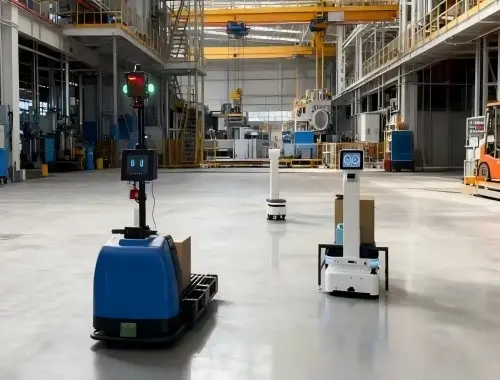
Manufacturing facilities benefit from these robots through increased safety and efficiency. Security robots navigate complex layouts, tracking unauthorized access and identifying potential hazards. Their continuous patrols assist in maintaining a secure workspace, critical in areas with costly equipment.

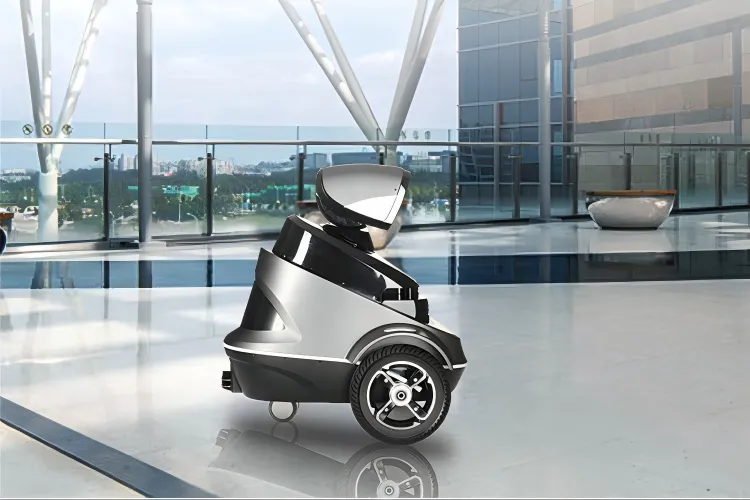
Public spaces like parks and airports have also embraced security robots. They ensure visitor safety by observing crowd behavior and identifying suspicious activities. This application not only improves public safety but also boosts confidence in security measures.


Robotics Innovation: The Latest Trends and Future Developments

The field of robotic security is rapidly evolving, with innovations that redefine traditional security measures. Futuristic technologies are paving the way for more intelligent and adaptable patrol robots.

Machine learning and AI are central to these advancements. They empower patrol robots with enhanced threat detection capabilities. By learning from various security incidents, robots can predict and prevent future threats more effectively.

Another exciting trend is the integration of robotic systems with IoT devices. This connectivity allows for more dynamic and responsive security networks. Patrol robots can now seamlessly communicate with other smart systems, improving their situational awareness and operational efficiency.

Design improvements also play a crucial role in robotics innovation. Security robots are becoming more compact and energy-efficient. These developments make them suitable for a wider range of environments, from indoor facilities to expansive outdoor spaces.


Emerging Trends in Robotic Security:

· AI and Machine Learning: Enhanced threat detection and prevention

· IoT Integration: Improved connectivity and situational awareness

· Design Enhancements: Compact and energy-efficient robots 

These trends and developments suggest a promising future for security patrol robots. With ongoing research and investment, they are set to become even more integral to modern security solutions.


The Road Ahead: Predictions for the Future of Robotic Security

The future of robotic security is poised for exciting developments. Advances in AI and machine learning will drive enhanced capabilities in security patrol robots. These technologies promise improved threat detection and response times through predictive analytics.

As patrol robots become more autonomous, the potential for seamless integration into smart city infrastructures grows. This collaboration could enable real-time data sharing and enhanced situational awareness across urban environments. Additionally, the increased reliance on cloud-based platforms will facilitate better data storage and analysis.

Looking ahead, we can expect several key trends to shape the future of robotic security:

· Increased Autonomy: Enhanced navigation and task execution

· Integration with Smart Technologies: Collaborating within smart cities and buildings

· Enhanced AI Capabilities: Improved learning and threat analysis

Companies will continue to innovate, leading to more adaptable and efficient security robots. With thoughtful implementation and ongoing research, robotic security can significantly enhance public safety and protection. The integration of these technologies holds promise for transforming how we approach security challenges in the years to come.


Conclusion: Embracing the Future of Security Automation

The adoption of security patrol robots signals a transformative shift in securing environments. These advanced technologies promise greater efficiency and reliability. As security automation becomes more widespread, industries will benefit from reduced costs and enhanced protection.

Embracing this robotic future requires collaboration between technology leaders and policymakers. It is crucial to address concerns around privacy and ethics while fostering innovation. With continued advancements, automated security solutions are set to revolutionize how safety and security are managed. The future holds immense potential for these technologies to create safer, smarter, and more secure environments worldwide.


Quick Inquiry