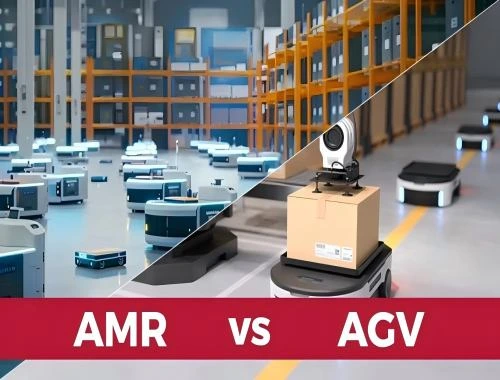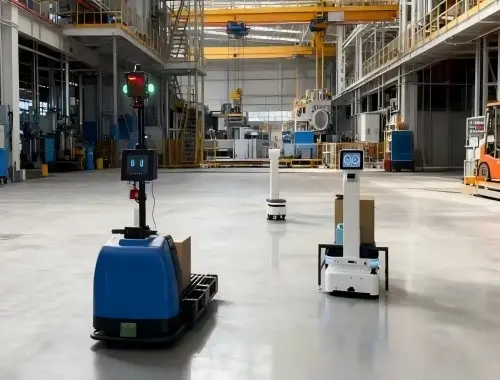
Robots are fascinating machines that capture the imagination of many. At the heart of every robot lies its chassis. The chassis is the backbone, providing structure and support for all other components.
Understanding the basics of a robot chassis is crucial for anyone interested in robotics. It affects the robot's stability, mobility, and overall performance.
Various types of robot chassis exist, each with unique features and benefits. Wheeled, tracked, and legged designs are among the most common.
Materials like aluminum, steel, and plastic are often used in chassis construction. Each material offers different advantages regarding weight, strength, and cost.
For hobbyists and enthusiasts, building a DIY robot chassis can be a rewarding experience. It offers opportunities for customization and learning.
What is a Robot Chassis?
The robot chassis serves as the main frame, holding everything together. The structural component connects all other parts. Without a well-designed chassis, a robot cannot operate effectively.
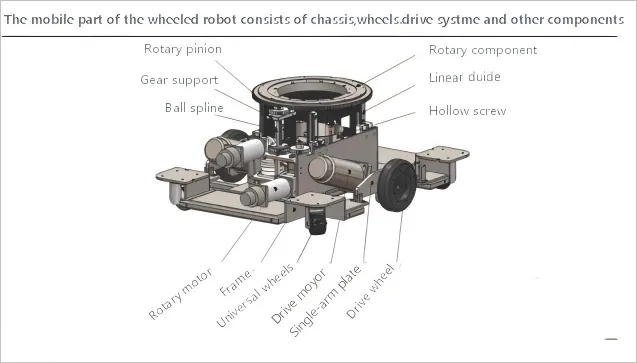
A chassis must provide stability and support during all operational phases. It influences how a robot moves and carries its load. This structural element is the first consideration in robot design
When constructing a robot chassis, there are several key elements involved:
· Frame: The skeleton of the chassis.
· Mounting points: For motors, sensors, and other components.
· Mobility system: Such as wheels or tracks.
These components work together to ensure smooth operation. The choice of design can impact the robot's ability to perform tasks, affecting speed and agility. This foundational structure ultimately determines the robot's success in its application.
Key Functions and Importance of the Chassis
The chassis is crucial for a robot's performance. It acts as the backbone, providing support and structure. Without it, components would lack organization and stability.
An effective chassis design ensures proper weight distribution. This balance reduces the risk of tipping over during motion. Maintaining stability is essential, especially in dynamic environments.
Additionally, the chassis impacts the robot's functionality. It influences how well the robot can move and respond to tasks. The design must accommodate various components, ensuring each part functions optimally.
Key functions of a robot chassis include:
· Providing a stable framework.
· Supporting various load types.
· Enabling precise movement.
· Protecting internal components.
Overall, the chassis integrates all parts into a cohesive unit. Its importance cannot be overstated as it forms the foundation for all other design considerations.
Common Types of Robot Chassis
Robot chassis come in various forms, each suited to different tasks. Common types include wheeled, tracked, legged, and hybrid designs. Each type offers unique benefits and challenges.
Choosing the right chassis depends on the robot's intended application and environment. This decision impacts mobility, efficiency, and adaptability, influencing the robot's overall performance.
Wheeled Chassis
Wheeled chassis are popular for their simplicity and efficiency. They are ideal for flat surfaces, offering swift and smooth movement. Their design is straightforward, making them easy to construct and maintain.
Wheels provide good speed and energy efficiency. However, they can struggle with rough or uneven terrain. They are common in indoor robots or on paved paths.
Advantages of wheeled chassis include:
· Simplicity in design and construction.
· Lower energy consumption.
· Higher speeds on smooth surfaces.
Wheeled chassis are a go-to choice for beginners and experienced builders alike. They strike a balance between speed and ease of use, making them widely preferred.
Tracked Chassis
Tracked chassis offer excellent traction. They perform well on difficult terrains like sand, mud, or snow. Their design involves tracks that wrap around wheels, distributing weight evenly.
These are suitable for off-road applications and environments where stability is critical. Tracked vehicles handle obstacles better than wheeled designs.
Key benefits of tracked chassis include:
· Superior traction and stability.
· Ability to handle diverse terrains.
· Smooth operation over obstacles.
Despite their advantages, tracked chassis can be complex to design. They often require robust construction to manage wear and environmental stresses.
Legged Chassis
Legged chassis mimic natural movement. They offer high mobility and can maneuver complex landscapes. Such designs are inspired by animal locomotion, allowing navigation in places others cannot go.
They can climb stairs and overcome large obstacles. However, legged systems are usually mechanically complex and require intricate control systems.
Attributes of legged chassis include:
· Enhanced mobility in rough terrains.
· Capable of dynamic and adaptive movements.
· Potential to operate where wheels cannot.
Their complexity means legged chassis are less common but valuable for specific scenarios. They demonstrate versatility when environment adaptability is paramount.
Hybrid and Specialized Chassis
Hybrid chassis combine elements from various types. This approach offers versatility, catering to mixed environments or specialized tasks. For instance, a hybrid might feature wheels with extendable legs.
Specialized chassis are tailored for particular applications. They could be used in tasks like underwater exploration or specialized industrial duties. Each design meets specific needs that standard types cannot.
Hybrids and specialized designs showcase innovative engineering. They blend features to create solutions for unique challenges. Their versatility makes them invaluable in niche applications requiring tailored capabilities.
Materials Used in Robot Chassis Construction
Choosing the right materials is crucial in robot chassis design. The material affects weight, durability, and overall performance. Different projects require different materials based on their needs.
Common materials include aluminum, steel, plastic, and composites. Each has distinct characteristics that make it suitable for specific scenarios. Aluminum is favored for being lightweight yet sturdy, making it ideal for many DIY projects.
Here’s a breakdown of these materials:
· Aluminum: Lightweight and corrosion-resistant, easy to work with.
· Steel: Strong and durable but heavier than alternatives.
· Plastic: Economical and versatile, though sometimes less robust.
· Composites: Combine strengths of various materials, offering balanced properties.
Material selection directly impacts the robot's function and longevity. Consider the environment, weight limits, and budget when choosing materials for your chassis. Prioritize materials that align with your project's goals and constraints.
Essential Design Considerations
Designing a robot chassis involves several key considerations. These elements determine the robot's efficiency and performance. Proper planning is essential for success.
First, consider the intended application. Different tasks require specific designs. Balance and weight distribution play crucial roles in stability. An even distribution helps the robot move efficiently.
Some crucial design aspects include:
· Stability: Maintains balance during movement.
· Modularity: Allows for easy upgrades.
· Component Space: Enough room for parts.
· Power Supply: Convenient placement of batteries.
The center of gravity should be kept low. This prevents the robot from tipping. Additionally, the design should protect sensitive parts from damage. Robust construction ensures longevity.
Lastly, be open to iterations. Design improvements often come from testing. Use feedback to refine your chassis.
Conclusion
Understanding the basics of robot chassis is fundamental in robotics projects. The chassis greatly influences the robot's functionality and efficiency.
By considering materials, design, and application needs, you can build an effective robot. A well-crafted chassis paves the way for successful robot operations and continued learning.