As industries embrace digital transformation, the demand for flexible, intelligent automation is growing fast. At the heart of this evolution lies a game-changing solution: Autonomous Mobile Robots (AMRs). These smart systems are reshaping how warehouses, factories, and logistics centers operate—boosting operational efficiency while reducing labor dependence.
But what exactly are AMRs? How do they work? And why are more companies investing in them?
What Are AMRs?
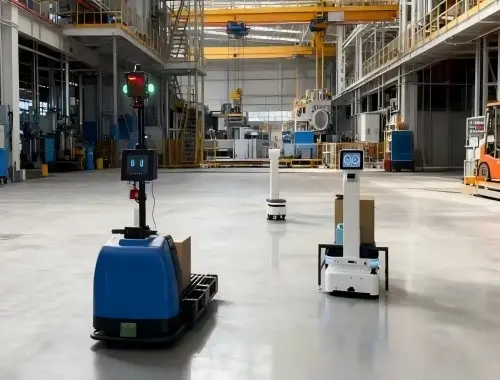
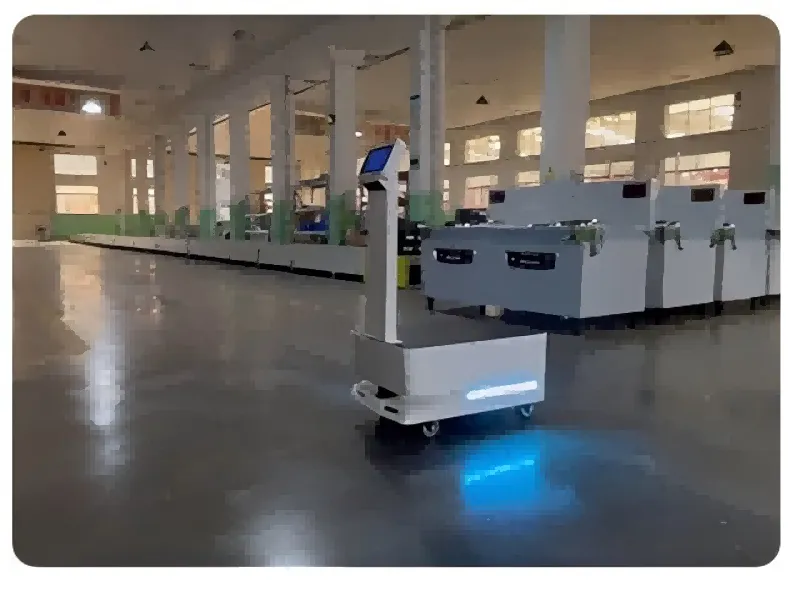
Autonomous Mobile Robots (AMRs) are self-driving machines designed to move materials or goods within industrial and commercial spaces. Similar in concept to autonomous vehicles or a driving car that navigates roads without human input, AMRs robots move through indoor environments like factories or warehouses—powered by artificial intelligence (AI).
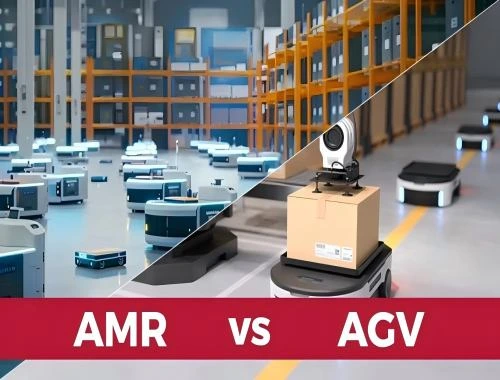
Unlike traditional AGVs, which follow fixed paths, AMRs use Simultaneous Localization and Mapping (SLAM), object detection, and AI-based navigation to analyze their environment and make real-time decisions.
These mobile robots are part of a wide range of smart automation tools helping businesses move toward fully autonomous operations.
How Do AMRs Work?
At their core, AMRs operate based on several cutting-edge technologies:
Simultaneous Localization and Mapping (SLAM): Allows the robot to build and update maps while tracking its own location
Sensor Fusion & Object Detection: Uses 3D cameras, LiDAR, and sensors to detect surroundings and inform decisions.
Deep Learning Models: AI-driven algorithms help robots perform tasks efficiently, such as navigation, transport, and obstacle avoidance.
Connectivity with Warehouse Management Systems (WMS) and Enterprise Resource Planning (ERP) platforms: Enables seamless data sharing and automated task coordination.
Thanks to these features, AMRs can adapt to any production line or warehouse environment, even as layouts or traffic conditions change.
Key Benefits of Using AMRs
1. Boosting Operational Efficiency
Manual transport of goods is slow, error-prone, and resource-intensive. AMRs handle these tasks consistently and accurately. They reduce downtime, cut costs, and keep materials flowing—maximizing operational efficiency in every shift.
2. Flexibility and Scalability
AMRs are easy to deploy and reconfigure. Their adaptability makes them perfect for businesses with a wide variety of product types, facility layouts, or delivery workflows. You don’t need to redesign your space—they work around it.
3. Improved Safety
Equipped with real-time object detection and collision avoidance, AMRs can safely operate alongside human workers. This leads to fewer accidents and a better customer experience through reliable service and delivery.
4. Lower Costs Through Smart Automation
By automating repetitive jobs, companies reduce labor costs and minimize error rates. This frees up human workers to focus on complex tasks while AMRs handle the rest.
5. Data-Driven Insights
Modern AMRs collect a large amount of data during their operations, including task progress, traffic flow, and system performance. This data helps inform decisions, optimize layouts, and even train better deep learning models using real-world data sets.
Applications Across Industries
Manufacturing & Production Lines
AMRs are used to transport parts, tools, and products across the production line—ensuring the right materials arrive at the right time without human delay.
Warehousing and Logistics
In warehouse settings, AMRs are integrated with Warehouse Management Systems (WMS) and ERP systems to move inventory, fulfill orders, and restock shelves automatically. This smart coordination enhances picking speed and accuracy.
Healthcare
Hospitals use autonomous robotic systems like AMRs to deliver medical supplies, documents, and samples across departments—safely and efficiently.
Cleanroom and Electronics
In cleanrooms, where human contact must be minimized, AMRs are ideal for moving sensitive items with precision and care.
Why AMRs Are the Future of AI-Powered Automation
Today’s AMRs are more than mobile machines—they are powered by artificial intelligence AI, allowing them to perform tasks with minimal supervision. This includes real-time decision-making, route planning, and even customer experience optimization through faster deliveries and fewer errors.
Businesses leveraging AMRs gain a competitive edge in:
● Handling a wide range of transport and delivery tasks
● Enhancing workforce productivity
● Reducing dependency on manual labor
● Accessing valuable performance data for better decisions
● With continued advancements in types of AI and real-time robotics, the potential of AMRs will only grow.
Final Thoughts
They are real-world tools that deliver results today—whether you're managing a warehouse, running a factory, or streamlining hospital logistics.
By integrating autonomous robotic systems into your workflow, you're not only improving efficiency but also preparing your business for the next generation of smart automation.
Want to learn how AMRs can benefit your facility? Contact us at https://www.cyxxsn.com/contactus/