
As e-commerce continues to grow and urban delivery demand rises, companies are focusing on improving last-mile delivery efficiency. Traditional human-based delivery faces high costs, low efficiency, and environmental constraints. Delivery robots, equipped with autonomous navigation and smart logistics capabilities, offer a cost-effective, efficient, and eco-friendly solution for modern last-mile delivery. Learn more about our delivery robot solutions and urban autonomous delivery systems.
What Are Delivery Robots?
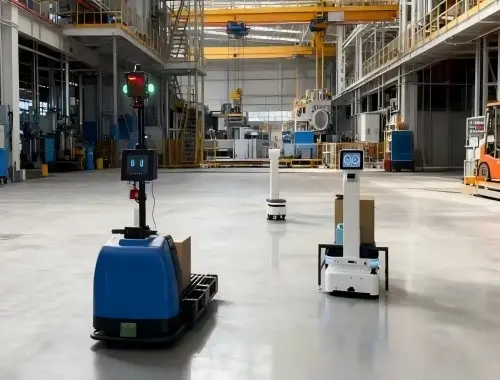
Delivery robots are small autonomous or semi-autonomous vehicles designed to transport parcels, groceries, or meals over short distances. Equipped with cameras, lidar, GPS, and advanced navigation software, these robots can safely operate on streets and sidewalks, delivering goods directly to customers with minimal human intervention. Explore detailed specifications on our product page.
Why Businesses Are Adopting Delivery Robots
Faster deliveries: Robots can operate beyond standard business hours. In urban pilot programs, robots have completed over 200 deliveries per day, maintaining consistent schedules even during peak periods.
Reduced operational costs: After the initial investment, electricity and maintenance are the main expenses, reducing reliance on labor and lowering delivery costs by up to 30% in some trials.
Eco-friendly and sustainable: Electric-powered robots produce zero emissions, supporting eco-friendly last-mile logistics solutions and urban sustainability goals.
Reliable and safe: Advanced sensors and intelligent algorithms minimize human error, ensuring consistent and safe delivery performance.
Real-World Applications
Many logistics companies and technology firms have deployed delivery robots in urban neighborhoods for groceries, parcels, and food delivery. For instance, Starship Technologies autonomous delivery report shows successful handling of thousands of deliveries per month in pilot cities across the U.S. and Europe. These pilots demonstrate that delivery robots can efficiently manage high-volume, short-distance deliveries when supported by proper infrastructure and regulatory frameworks.
Drone Delivery: An Aerial Complement

In addition to ground-based delivery robots, drones are emerging as a complementary solution. Where regulations and geography permit, drones can bypass traffic congestion and deliver lightweight items quickly to remote or hard-to-reach locations, further enhancing urban autonomous delivery efficiency.
Challenges for Widespread Adoption
Regulatory restrictions: Delivery robot rules vary by region, requiring early collaboration with local authorities.
Infrastructure requirements: Sidewalk quality, road design, and charging facilities significantly impact robot efficiency.
Public acceptance: Communities must adapt to sharing public spaces with autonomous devices.
Future Trends
Delivery robots are expected to advance in perception, route planning, fleet management, and remote monitoring. Integration with warehouses, inventory systems, and logistics platforms will enable end-to-end automation. McKinsey report on last-mile delivery automation highlights that such integration will reshape urban delivery ecosystems, expanding applications to groceries, fresh produce, pharmaceuticals, and on-demand services. Discover how our AMR solutions support these trends.
Implementation Tips for Businesses
Start small: Conduct pilot programs in controlled areas to gather operational data and customer feedback.
Engage authorities early: Ensure compliance with local regulations to mitigate operational risks.
Track costs and satisfaction: Measure delivery cost per stop and assess customer satisfaction for ROI evaluation.
Combine delivery modes: Integrate robots, drones, and human couriers to optimize delivery efficiency.