Global Robotics Industry Trends (II) – AI-Native <a href="https://www.cyxxsn.com/">Robots</a> Redefine Automation | CYXXSN
May 2025 AI-Native Robots Redefine Automation and Industrial Productivity
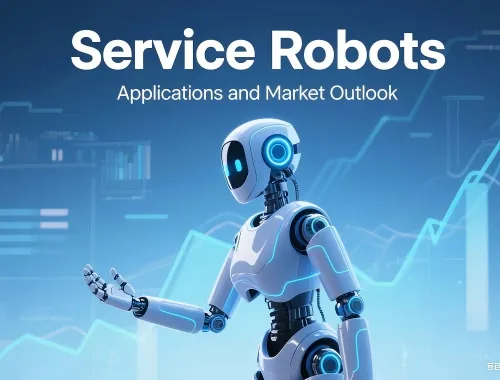
A new wave of AI-native robots is beginning to reshape global automation strategies in 2025. Unlike previous generations built around fixed instructions, these systems rely on foundation models, multimodal perception, and real-time decision-making. Their emergence is pushing factories, warehouses, and service environments into the next phase of intelligent operations.
AI-Native Architecture Moves Into Mainstream Deployment
Industry analysts note that AI-native designs are no longer experimental. Manufacturers in East Asia, Europe, and North America are reporting meaningful productivity gains from robots that can interpret sensor data, understand task goals, and navigate dynamic environments with minimal engineering input.
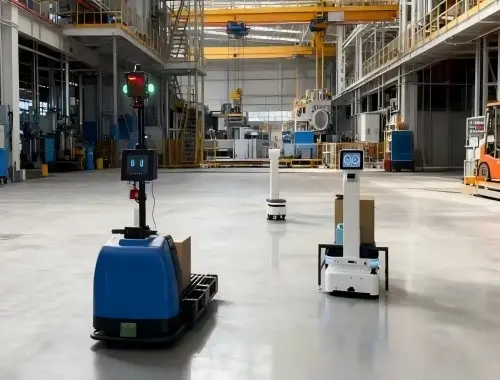
In practical terms, AI-native robots are being adopted for tasks such as pallet transport, mixed-case sorting, visual inspection, and facility monitoring. Their ability to self-adjust to new layouts or unfamiliar objects allows companies to scale automation without redesigning entire workflows.
From Task-Based Programming to Goal-Based Operation
One of the most significant shifts of 2025 is the adoption of goal-based robotic operation. Instead of programming sequences line by line, engineers can now define outcomes. The robot then determines the most efficient plan.
“Organize inventory arriving before 3 p.m.”
“Deliver all verified orders to outbound lanes.”
“Clean designated zones after shift change.”
A senior automation engineer at a logistics facility in Singapore described the change as “a turning point—robots no longer wait for instructions; they interpret them.” This shift dramatically lowers deployment barriers for mid-sized factories and warehouses.
Regulations Evolve to Support Autonomous Systems
Regulatory bodies are updating safety guidelines to match a world where robots reason and move autonomously. The European Union’s harmonized standards for AI-enabled machinery and China’s updated safety certification process both emphasize:
continuous risk evaluation,
transparent decision-making logs,
human–robot interaction protocols.
These frameworks are helping accelerate approvals of AI-native systems, particularly in manufacturing, logistics, and public-service robotics.
Workforce Transformation Accelerates
Instead of replacing frontline workers, AI-native robots are shifting job roles. Many factories report an increase in supervisory and system-management positions. Workers now oversee fleets of autonomous robots, handle exception management, and maintain digital workflows. A survey from the International Federation of Robotics indicates that training demand for “robot operation specialists” has grown by more than 30% since 2023.
This trend suggests that automation is expanding opportunities for technical upskilling rather than reducing overall employment in most industrial sectors.
Industry Insights and Related Resources
Robotics development continues to accelerate, driven by innovation in sensing, perception, and control systems. To better understand global technical standards, companies often refer to organizations such as IEEE and ISO, which publish robotics safety and performance guidelines.
For readers exploring automation solutions, related product pages on CYXXSN include: